Workforce & Training Development
Communication-access learning
for the healthcare workforce.
Proposed specialized curriculum for direct care professionals, community health workers, healthcare teams, and the people who supervise and support them.
Build on the work
people already do.
The proposed PCAP curriculum would focus on recognizing communication needs, supporting participation, and coordinating access within each worker’s role. It would complement workforce learning rather than confer an existing state credential.
Direct care professionals
Explore role-specific learning for people supporting daily living and participation in home and community-based care, including CDCPs.
Community health workers
Explore communication access during outreach, community education, navigation, and connection to resources.
Teams & supervisors
Explore workflows, staff responsibilities, appropriate escalation, and organizational readiness.
A proposed learning sequence
01 · Recognize
Ask & understand
Identify individual communication preferences and barriers without relying on assumptions.
02 · Coordinate
Activate appropriate support
Understand role boundaries and practice using an organization’s access processes.
03 · Carry forward
Support continuity
Practice communication handoffs and participation checks using privacy-conscious scenarios.
Proposed objectives and assessment methods require community and professional input before delivery. No course duration, credential, continuing-education credit, or validated outcome is promised.
Where Wisconsin’s workforce efforts fit
Certified Direct Care Professional
Wisconsin DHS identifies CDCP as a training pathway for home and community-based care. PCAP is separate from that program.
Read DHS’s CDCP overview →Community health workers
DHS describes CHWs as connecting communities with care and resources. CHW roles are distinct from direct care roles.
Read DHS’s CHW overview →CHW training & supervision
DHS’s 2026 training-provider solicitation describes core competency and supervisor training. Its August 21 application deadline has passed.
Read the DHS solicitation →These sources inform exploration. Strong Culture does not claim DHS affiliation, program approval, curriculum equivalency, reimbursement eligibility, or authority to issue CDCP or CHW credentials.
How Strong Culture Helps
Communication access and workplace culture are part of the same system.
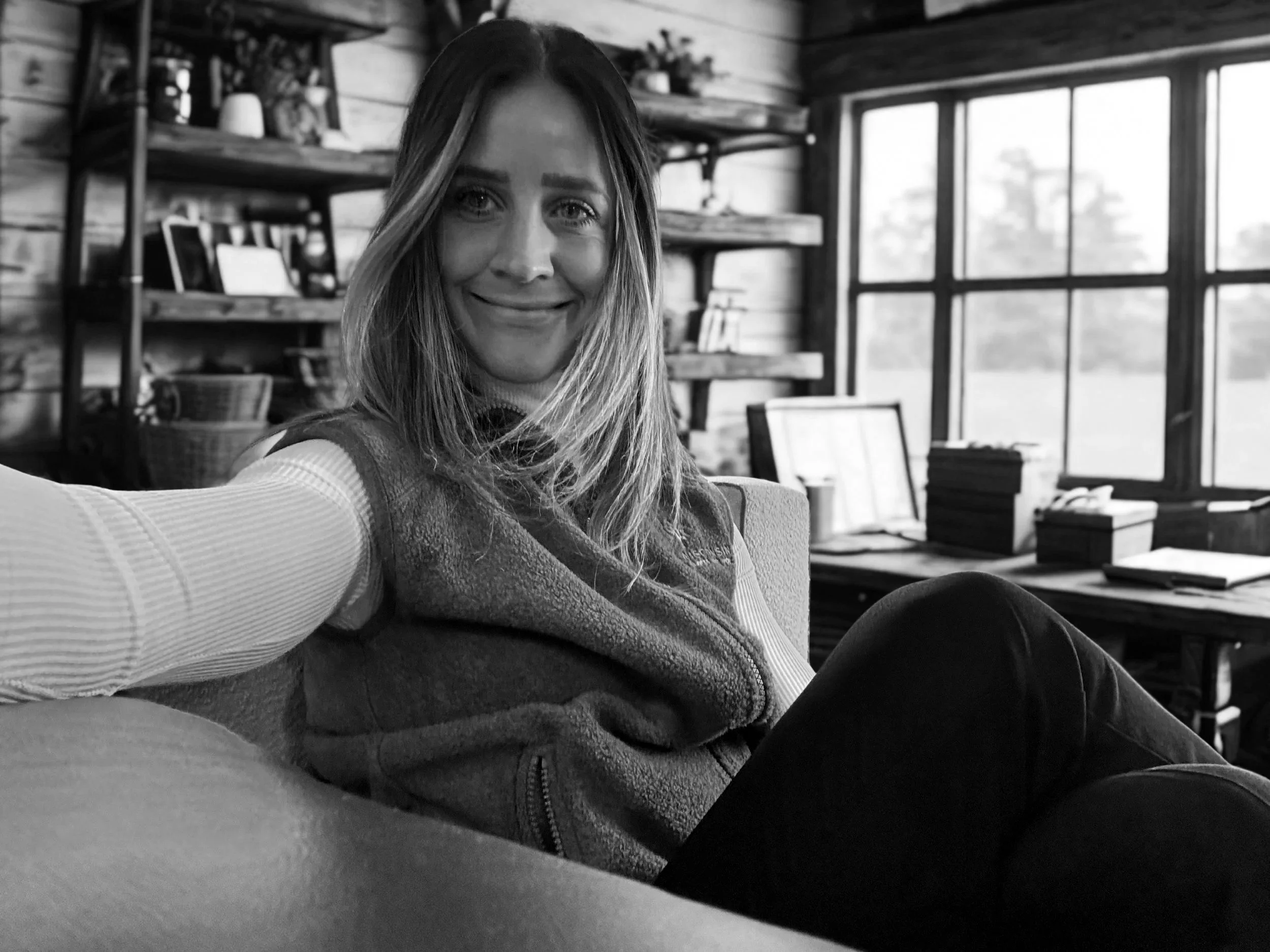
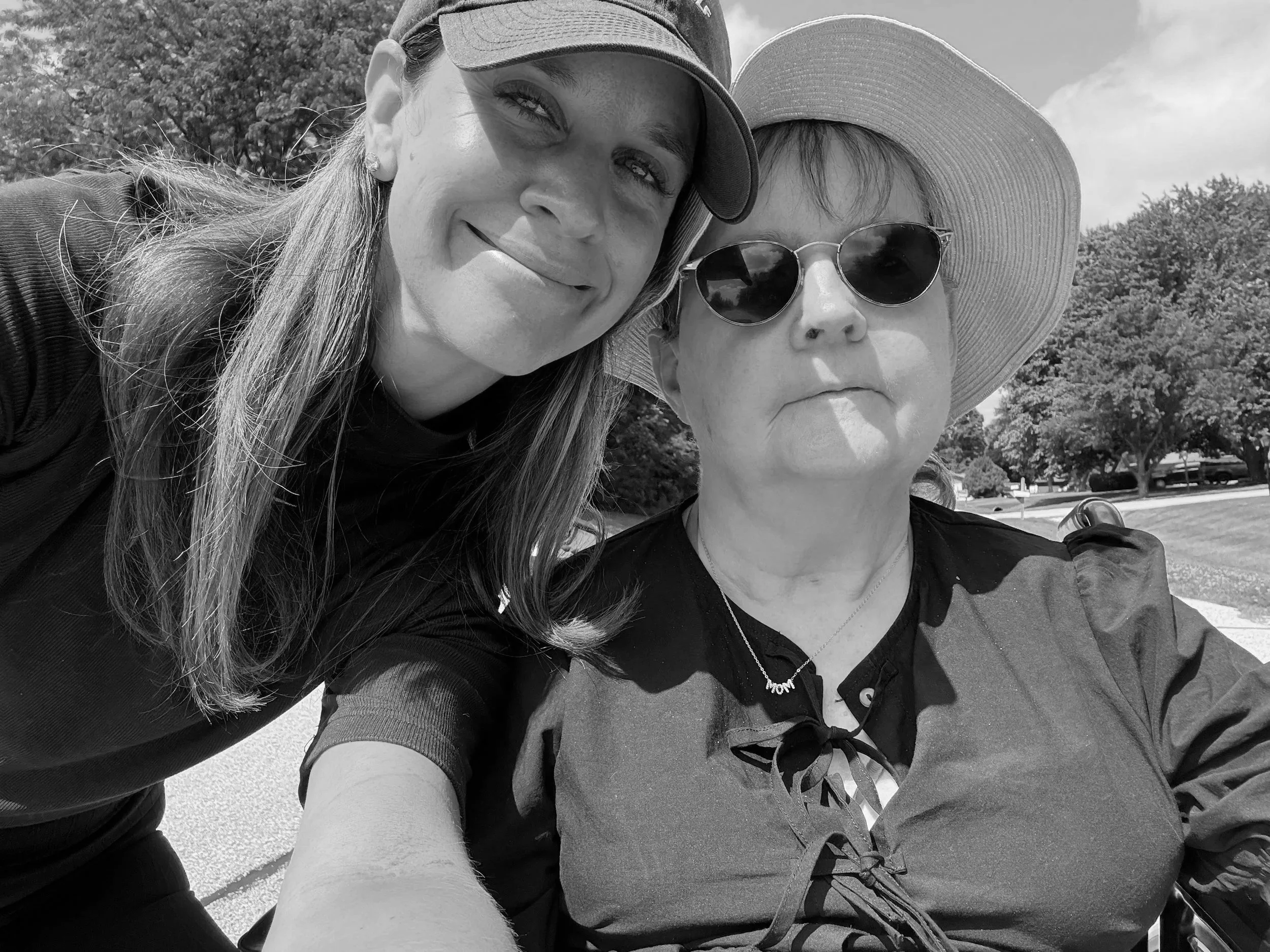
People participate more fully when communication is accessible and the people around them know what to do. Strong Culture brings lived experience, practical planning, consulting, and training together to create change that people can actually feel.
Community & Communication Access
Centering DeafBlind, Deaf, hard-of-hearing, and low-vision communities.
I help communities and systems identify communication barriers, understand what meaningful access requires, and build clearer pathways for participation and support.
- DeafBlind community engagement and consulting
- Communication-access planning across care and community settings
- Rural access coordination and systems navigation
- Practical guidance shaped by lived experience
Training, Workshops & Speaking
Bringing mental-health education into everyday places.
Strong Culture works with workplaces, schools, support groups, community organizations, healthcare and frontline teams, conferences, faith communities, and rural partners to make mental-health knowledge and pathways to support more available where people already gather.
- Mental Health First Aid certification
- Youth suicide prevention through belonging and connection
- Grief, loss, stress, boundaries, and sustainable care
- Keynotes, workshops, facilitated conversations, and customized education
The common thread
A strong culture is built when access is planned, people are listened to, and teams are prepared to respond with dignity and clarity.
What People Are Saying
People leave with greater clarity, practical tools, and a stronger way forward.
Strong Culture work is built around honesty, accessibility, dignity, and practical support—whether the setting is community consulting, workplace training, access planning, or a facilitated conversation.
“Communication was top-notch and the final outcome was even better than we imagined.”
“Laura’s teaching skills are excellent, and I learned how to find hope again.”