Strong Culture Research & Insights · PCAP Research Series 03
PCAP InsightsPreliminary draft · not peer reviewedThe Rural DeafBlind Data Gap: What Population Estimates Don't Tell Us
Definitions, uncertainty, communication preferences, and readiness are different questions
Executive summary
Population estimates can support planning, but they cannot alone identify communication preferences or organizational readiness. This preliminary methods brief separates disability measures, sampling uncertainty, individual access needs, service utilization, and system capacity. It reports no county DeafBlind counts and draws no conclusion that a zero estimate means no residents or no need.
PCAP is a developing initiative operated by Strong Culture LLC, a Wisconsin-based, for-profit education and consulting business. No funding, partnership, credential approval, completed pilot, or validated outcome is claimed.
Draft outline
- What a population estimate measures
- Hearing and vision difficulty versus identity and access needs
- Small-area uncertainty and zero estimates
- Coverage and geography checks
- Preference, service use, and readiness as separate measures
- Limitations and a proposed measurement approach
Verified source evidence
Census guidance defines ACS hearing and vision difficulty measures and explains changes in disability measurement. These questions do not directly measure DeafBlind identity, language preference, or the supports a person needs during care. U.S. Census Bureau. How Disability Data are Collected from the American Community Survey. Revised September 9, 2026.
ACS estimates have sampling uncertainty. Census guidance describes 90% confidence-level margins of error and a technical model for zero-estimate counts. A displayed zero must therefore be interpreted with its measure, annotations, and uncertainty rather than treated as a complete headcount. U.S. Census Bureau. Sample Size Definitions. U.S. Census Bureau. Updating the model to compute the 2011 and future ACS margins of error for zero-estimate counts.
The HINTS-ASL protocol distinguishes language and healthcare communication questions. It offers measurement-design lessons but is not an adult DeafBlind census of rural Wisconsin. Kushalnagar P, Harris R, Paludneviciene R, Hoglind T. HINTS-ASL: Protocol for the Cultural Adaptation and Linguistic Validation of a National Survey. JMIR Research Protocols. September 13, 2017;6(9):e172. doi:10.2196/resprot.8067.
Strong Culture analysis · emerging
Strong Culture proposes five separate planning dimensions: population context; communication preferences; requested and received supports; participation experience; and organizational readiness. Each requires a defined measure and its own evidence.
A combined hearing-and-vision measure would require a valid joint measure; adding two separate prevalence totals cannot identify people who report both. Before producing any estimate, record the source year, geography, age range, survey universe, operational definition, and uncertainty method. Check the exact table’s treatment of household and group-quarters populations rather than assuming all residents are represented equally.
Recorded interpreter use is a service measure, not a direct measure of need. Low use might reflect low demand, access barriers, documentation practices, or other factors. Those are alternative hypotheses that require additional evidence. Population figures also cannot establish whether staff know an escalation route or whether a handoff works.
Practical implications · proposed
- Retain estimate annotations and margins of error alongside values.
- Do not rank counties by a small or unstable estimate alone.
- Ask about preferred communication and what support actually worked.
- Assess workflows and readiness separately from population context.
- Do not generalize a consultation or convenience sample to county prevalence.
- Include contrary explanations and document what remains unknown.
Limitations & next evidence needs
No ACS extraction, county cross-tabulation, confidence interval, new survey, or readiness assessment has been performed for this brief. The statements about service utilization and readiness are analytical distinctions and proposed hypotheses, not verified local failures.
The next step is to define the target population and planning decision, choose defensible data sources, check coverage, and seek methodological review before reporting local numbers. Data collection should be accessible and limited to information useful for a defined purpose.
References
- U.S. Census Bureau. How Disability Data are Collected from the American Community Survey. Revised September 9, 2026.
Survey measurement guidance; hearing and vision difficulty measures do not specify language or accommodation needs. Accessed October 13, 2026. - U.S. Census Bureau. Sample Size Definitions.
ACS methodology guidance; describes 90% confidence-level margins of error. Not a county estimate. Accessed October 13, 2026. - U.S. Census Bureau. Updating the model to compute the 2011 and future ACS margins of error for zero-estimate counts.
Technical user note, 2011; demonstrates uncertainty treatment for zero estimates. No county value calculated here. Accessed October 13, 2026. - Kushalnagar P, Harris R, Paludneviciene R, Hoglind T. HINTS-ASL: Protocol for the Cultural Adaptation and Linguistic Validation of a National Survey. JMIR Research Protocols. September 13, 2017;6(9):e172. doi:10.2196/resprot.8067.
Protocol and survey adaptation for Deaf ASL-using adults in the United States; not Wisconsin DeafBlind prevalence evidence. Accessed October 13, 2026.
Discuss a research or planning scope
Discuss a potential research, evidence-review, or planning contract with Strong Culture. Methods, privacy, resources, deliverables, and availability would be agreed before work begins; no completed PCAP population study is offered.
Prepare an organizational inquiry
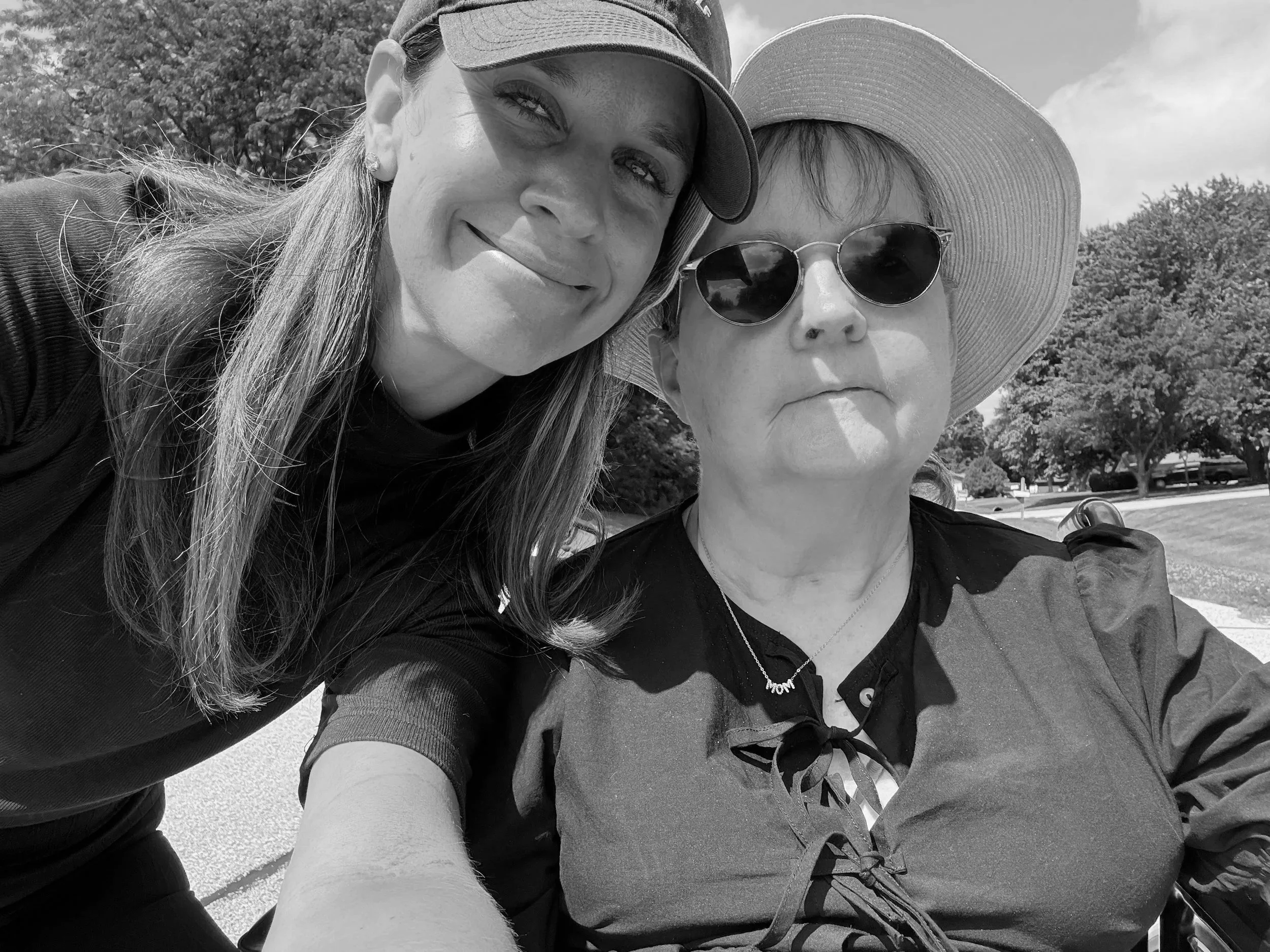
How Strong Culture Helps
Communication access and workplace culture are part of the same system.
People participate more fully when communication is accessible and the people around them know what to do. Strong Culture brings lived experience, practical planning, consulting, and training together to create change that people can actually feel.
Community & Communication Access
Centering DeafBlind, Deaf, hard-of-hearing, and low-vision communities.
I help communities and systems identify communication barriers, understand what meaningful access requires, and build clearer pathways for participation and support.
- DeafBlind community engagement and consulting
- Communication-access planning across care and community settings
- Rural access coordination and systems navigation
- Practical guidance shaped by lived experience
Training, Workshops & Speaking
Bringing mental-health education into everyday places.
Strong Culture works with workplaces, schools, support groups, community organizations, healthcare and frontline teams, conferences, faith communities, and rural partners to make mental-health knowledge and pathways to support more available where people already gather.
- Mental Health First Aid certification
- Youth suicide prevention through belonging and connection
- Grief, loss, stress, boundaries, and sustainable care
- Keynotes, workshops, facilitated conversations, and customized education
The common thread
A strong culture is built when access is planned, people are listened to, and teams are prepared to respond with dignity and clarity.
What People Are Saying
People leave with greater clarity, practical tools, and a stronger way forward.
Strong Culture work is built around honesty, accessibility, dignity, and practical support—whether the setting is community consulting, workplace training, access planning, or a facilitated conversation.
“Communication was top-notch and the final outcome was even better than we imagined.”
“Laura’s teaching skills are excellent, and I learned how to find hope again.”